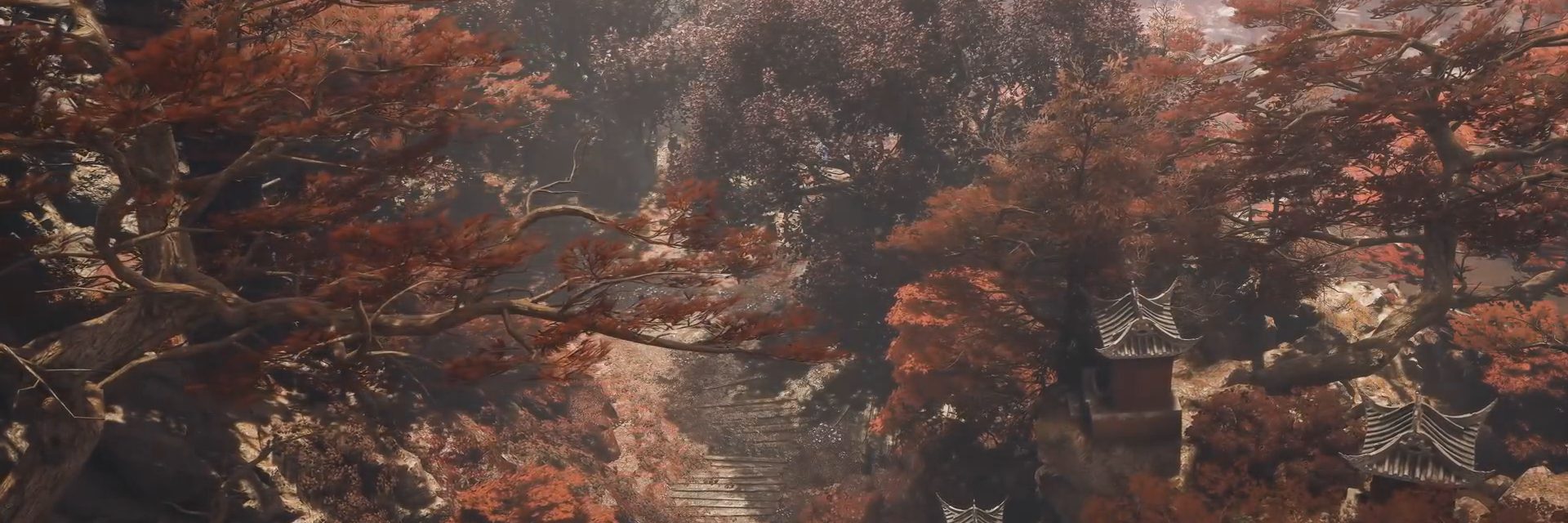
 © S-GAME · State of Play gameplay still
Home / Guides / PC Requirements
PC Requirements
Phantom Blade Zero needs at least a GTX 1660 or RX 5500 XT, 16 GB of RAM and an SSD, for 1080p at 30 FPS. For 1440p at 60 FPS, S-GAME recommends an RTX 3060 Ti or RX 6700 XT. Every target assumes upscaling is on.
Source: S-GAME's official spec sheet (Aug 12, 2026), matched against the Steam store page · Last verified Sep 26, 2026
Official specs
Minimum
1080p / 30 FPS
- GPU
- NVIDIA GeForce GTX 1660 6GB / AMD Radeon RX 5500 XT 8GB
- CPU
- Intel Core i7-8700K / AMD Ryzen 5 3600
- RAM
- 16 GB
- OS
- Windows 10/11 64-bit
- DirectX
- 12
- Storage
- SSD required
Recommended
1440p / 60 FPS
- GPU
- NVIDIA GeForce RTX 3060 Ti 8GB / AMD Radeon RX 6700 XT 12GB
- CPU
- Intel Core i5-10600K / AMD Ryzen 5 5600X
- RAM
- 16 GB
- OS
- Windows 10/11 64-bit
- DirectX
- 12
- Storage
- SSD required
Ray tracing
1080p / 60 FPS
- GPU
- NVIDIA GeForce RTX 5060 8GB
- CPU
- Not listed
- RAM
- Not listed
Path tracing
2160p (4K) / 60 FPS
- GPU
- NVIDIA GeForce RTX 5080 16GB
- CPU
- Not listed
- RAM
- Not listed
All four targets are "with upscaling enabled". For the ray tracing and path tracing tiers S-GAME lists only the graphics card. Confirmed
What ray tracing looks like
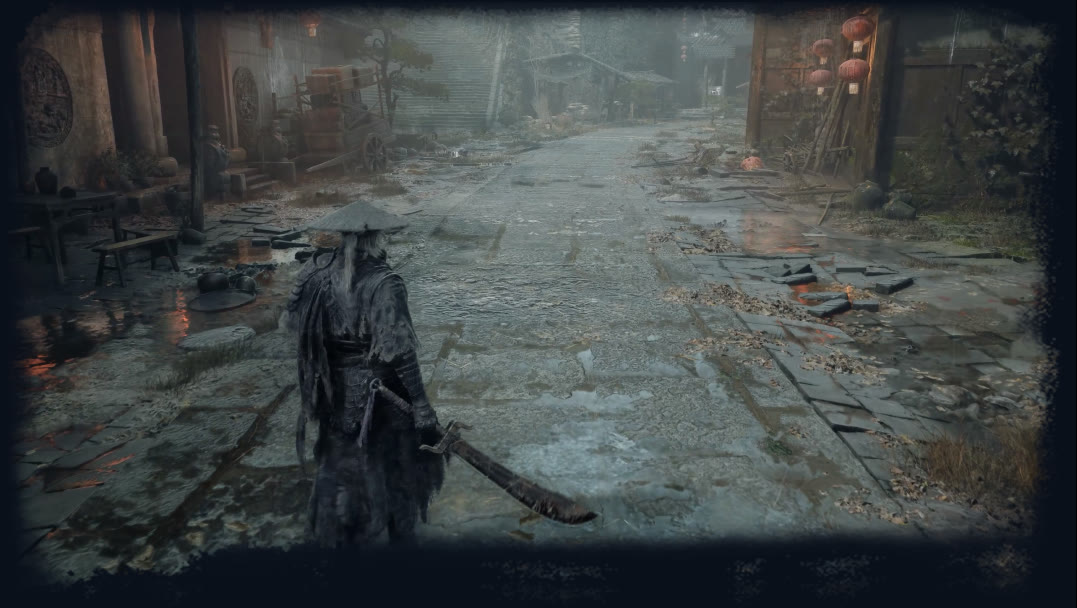
S-GAME's own RTX On screenshot of Pangzhen Township: the rain-soaked street reflects the lanterns and buildings around it, the kind of ray-traced reflections the top two tiers are for.
PC features
Upscaling
Every official target assumes upscaling is on. NVIDIA confirms DLSS 4.5 Super Resolution and Multi Frame Generation.
Source: S-GAME specs, Aug 12, 2026; NVIDIA GeForce News, Aug 13, 2026
Confirmed
AMD FSR / Intel XeSS
Not announced. The minimum and recommended tiers list AMD cards with upscaling on, but the upscaler is not named.
Not confirmed
Ray tracing
Ray-traced reflections, shadows and caustics on PC, plus a full path tracing mode.
Source: NVIDIA GeForce News, Aug 13, 2026; S-GAME specs, Aug 12, 2026
Confirmed
Install size
Not announced yet. Both S-GAME and Steam say only that an SSD is required.
Source: S-GAME specs; Steam store page
Not confirmed
DRM
Denuvo, listed as third-party DRM on the Steam store page.
Source: Steam store page
Confirmed
Steam Deck
Not rated yet. Valve's compatibility check still shows the game as unknown, which is normal before launch.
Source: Steam Deck compatibility report, checked Sep 26, 2026
Not confirmed
Controllers
Full controller support, with DualShock and DualSense support. Steam also tags it "Gamepad Recommended".
Source: Steam store page
Confirmed
Languages
15 interface and subtitle languages. Full voice acting in English and Simplified Chinese.
Source: Steam store page
Confirmed
Mac / Linux
Windows only on Steam. No macOS or Linux version is listed.
Source: Steam store page
Confirmed
Playing on console?
The PS5 version is PS5 Pro Enhanced. Platforms, prices and the unlock time are on the release date page and editions page.
FAQ
What are the minimum PC requirements for Phantom Blade Zero?
An NVIDIA GTX 1660 6GB or AMD RX 5500 XT 8GB, an Intel Core i7-8700K or AMD Ryzen 5 3600, 16 GB of RAM, 64-bit Windows 10 or 11 and an SSD. S-GAME says this targets 1080p at 30 FPS with upscaling enabled.
What do you need for 1440p at 60 FPS?
S-GAME recommends an NVIDIA RTX 3060 Ti 8GB or AMD RX 6700 XT 12GB, with an Intel Core i5-10600K or AMD Ryzen 5 5600X and 16 GB of RAM, again with upscaling enabled.
Does Phantom Blade Zero need an SSD?
Yes. Both S-GAME's spec sheet and the Steam page say an SSD is required. The install size has not been announced.
Does it support DLSS or FSR?
DLSS, yes: NVIDIA confirms DLSS 4.5 Super Resolution and Multi Frame Generation at launch. AMD FSR and Intel XeSS have not been announced.
Is Phantom Blade Zero on Steam Deck?
You can buy it on Steam, but Valve has not rated it for Steam Deck yet, and S-GAME has not said anything about it. The minimum spec is well above the Deck's hardware, so treat Deck play as unknown until it is tested.
Does Phantom Blade Zero use Denuvo?
Yes. The Steam store page lists Denuvo as third-party DRM.
What does "with upscaling enabled" mean?
The game renders at a lower internal resolution and a technique such as DLSS rebuilds the image at the target resolution. All four official targets assume this is on, so native-resolution performance will be lower.